Stories, Tips &
Commute Insights
Everything you need to carpool smarter — news, guides, city spotlights, and real commuter stories.
-
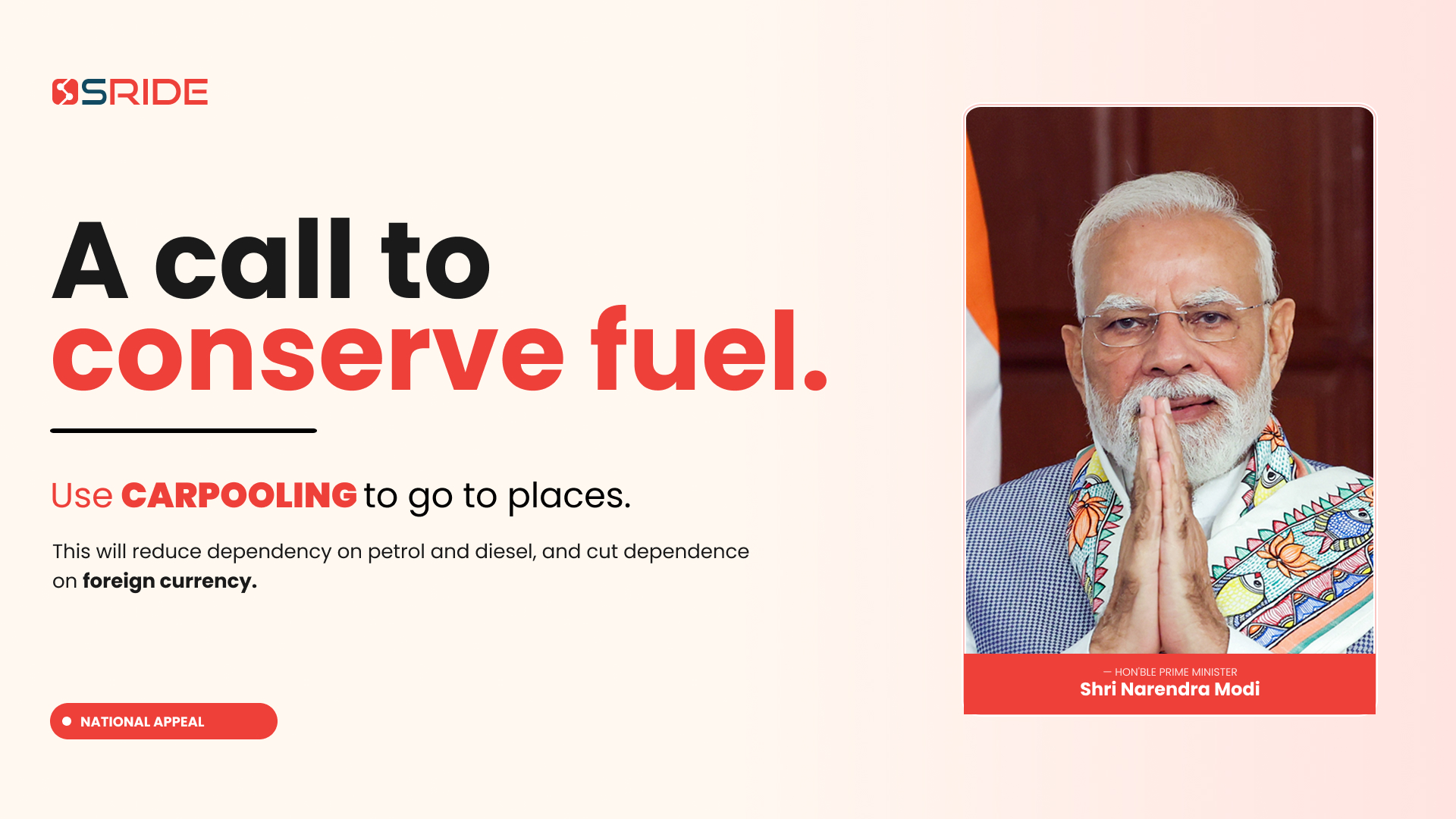
PM Modi Urges Indians to Embrace Carpooling — Here’s How You Can Save Fuel & Join 3M+ sRide Users
PM Narendra Modi has called on every Indian to adopt carpooling as a national duty to save fuel and reduce emissions. Join 3 million+ Indians already carpooling on sRide — India’s most trusted office carpool app.
-
All Women Entrepreneurs Need Is Acceptance: Lakshana Jha Of sRide
Founder of sRide, an app that connects car owners and ride seekers going in the same direction and helps to reduce traffic, pollution, congestion, Lakshana Jha is a nominee for SheThePeople.TV Digital Women Awards 2019. She chats with us about her entrepreneurship journey, her biggest learnings and why budding women entrepreneurs need to be confident.…
-
A safer woman pools her car even with men; changing trends in commute
60% women riders see carpooling as a relatively safer option than public transport, subject to who their co-passengers are. In December 2012, twenty-three-year-old Nirbhaya was gang-raped and fatally injured in a Delhi bus meant for chartered services. This not only led to questioning of sexual assault laws in the country but many Indian families also…
-
Corporates encourage employees to carpool, use ride-share apps – sRide
Many top corporates in the country are now proactively encouraging employees to carpool, bikepool, and use ride-share apps to commute to work to help ease persistent traffic gridlocks across Indian cities every working day and reduce air pollution. Companies with large workforces such as Infosys, Capgemini, Cognizant, HCL, Amazon, Flipkart, Siemens, L&T, Biocon and HDFC…
-
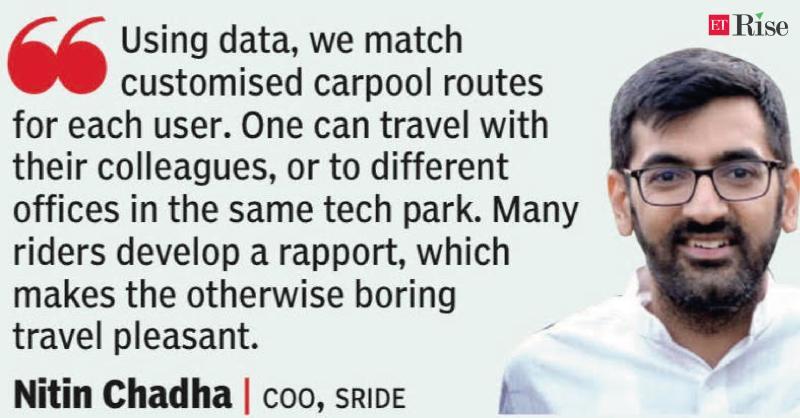
Nitin Chadha’s, COO, sRide, recent mention in The Economic Times, features his view on the ride-sharing market
The daily commute can eat up a decent chunk of one’s money, time, and peace of mind. Working professionals, living far from city centres and business districts and without convenient access to public transport, perhaps feel the pressure even more. Their need for reliable and affordable transport other than regular app-based cabs, increasingly scorned for…
-
Lakshna Chadha Jha, CEO of sRide shares her thoughts with YourStory Media on the upcoming budget, and its impact on the services sector, and early-stage startups.
India’s automotive industry is going through its worst-ever slowdown in two decades. According to data by Society of Indian Automobile Manufacturers (SIAM), the total passenger vehicle sales during 2019 declined by 12.75 percent to 29,62,052 units compared to 33,94,790 units a year ago. Two-wheeler sales were equally dreary with a drop of 14.19 percent. With…
-
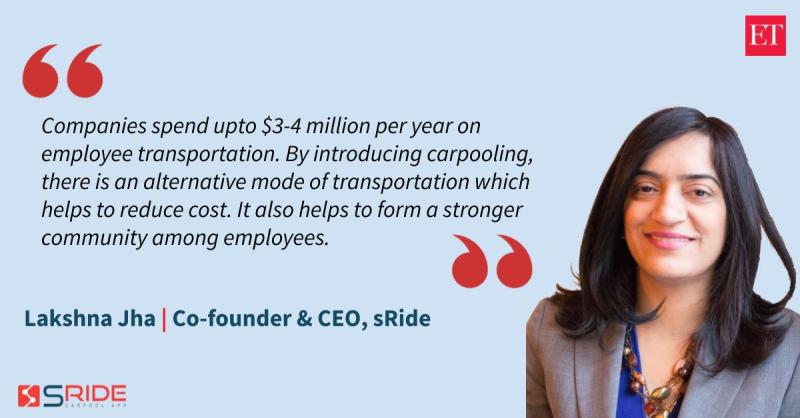
Lakshna Chadha Jha, Co-founder & CEO, sRide shares her thoughts with The Economic Times on why she’s optimistic about carpooling, and its impacts on the environment.
Many top corporates in the country are now proactively encouraging employees to carpool, bikepool, and use ride-share apps to commute to work — helping ease persistent traffic gridlocks across Indian cities and reduce air pollution. Companies with large workforces such as Infosys, Capgemini, Cognizant, HCL, Amazon, Flipkart, Siemens, L&T, Biocon and HDFC Bank, along with…
Get the Best Commute Tips
Join 10,000+ commuters who get weekly carpooling tips, city updates, and savings guides straight to their inbox.